Reasonable Accommodation and the Process Your Employer Has to Follow
Read more: Reasonable Accommodation and the Process Your Employer Has to FollowThis is general information rather than legal advice. Your regional ADA Center offers free guidance, and the Job Accommodation Network advises on specific accommodations at no cost. Most people think asking for an accommodation is a request that gets…


Neuropathic Pain, and Why Ordinary Painkillers Don’t Touch It
If paracetamol and ibuprofen do nothing at all, that isn’t a sign you need something stronger. It’s a clue about what…
Reasonable Accommodation and the Process Your Employer Has to Follow
This is general information rather than legal advice. Your regional ADA Center offers free guidance, and the Job Accommodation Network advises…

Workplace Accommodations for Depression and Anxiety, and How to Ask
This is general information rather than legal advice. Your regional ADA Center offers free guidance, and the Job Accommodation Network provides…

Why RHR Exists
For people living in a chair,
not just sitting in one.
Most health advice quietly assumes you can stand up. Rolling Health Revolution is what is left when you take that assumption out. This is health and wellness for wheelchair users, written by a powerchair user.
Fitness, nutrition, body care, gear and home accessibility, travel, benefits and money, work, dating, parenting, and mental health. The parts of life on wheels that mainstream wellness advice skips, and the practical details it gets wrong. Written for wheelchair users, and for the caregivers and family who are in it with them.
Disabled people are the largest minority group and the least alike. No one site gets this right for everybody, but RHR hopes to shed light where we can.
Latest From The Blog

Disability Discrimination and the Deadline That Ends Most Claims
This is general information rather than legal advice. Deadlines and rules vary by state and by employer type, and an employment…

What the ADA Actually Is and What It Doesn’t Cover
The ADA gets invoked constantly and read almost never. People cite it at businesses that aren’t covered by it, assume it…

Cancer Screening Shouldn’t Depend on Whether You Can Transfer
Colorectal cancer is one of the most preventable cancers there is. Caught early, it’s highly treatable, and screening doesn’t just find…

The Holiday Blues Are Not Just a Feeling
Every article about holiday loneliness treats it as an emotional problem. Manage your expectations. Set boundaries. Don’t compare your life to…

How to Choose a Wheelchair Cushion for the Problem You Actually Have
This is general information rather than medical advice. Cushion selection should be done with a clinician who does seating assessments, particularly…

Allodynia, When Your Own Bedsheet Hurts
This is general information rather than medical advice. Allodynia has many causes, and treatment depends on which one applies, so a…
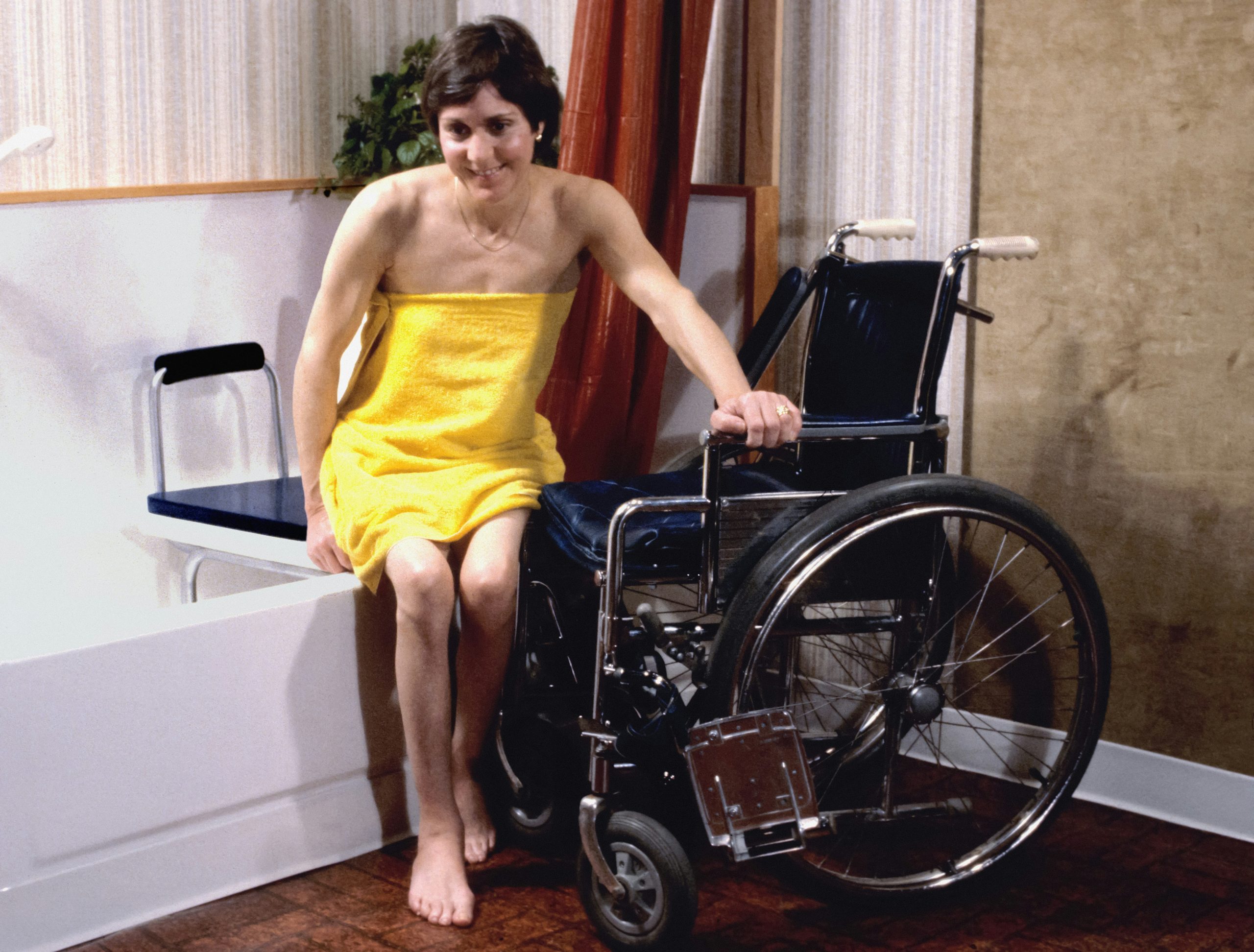
Shower Chairs and Why the One You Need Probably Isn’t Covered
I shower in an old manual wheelchair. Not because it’s ideal, and not because nothing better exists. Because when I asked…

What an Ambulatory Wheelchair User Is and Why Strangers Keep Arguing About It
I walked down the aisle at my first wedding. (team #secondmarriages) The aisle was a beautiful yard with grass and uneven…

Trunk or Treat Isn’t the Backup Plan, It’s the Better Halloween
Trunk or treat gets talked about as the thing you do when the weather’s bad, or the neighborhood isn’t safe, or…

Can You Get Disability for Anxiety or Depression and What It Actually Takes
Yes. Roughly a quarter of all disability applications cite a mental health condition as the main reason, and plenty of them…

Gifts for Disabled Adults That Actually Get Used
I once got a baking set in a Secret Santa swap at a remote job. Nobody meant anything by it. It…

Neurogenic Bowel and How a Bowel Program Actually Works
This article is general information and not medical advice. A clinician familiar with neurogenic bowel and your specific injury should set…
Get New Posts In Your Inbox
No spam. Unsubscribe any time.
Understanding The Lingo
Disability has its own vocabulary, and most of it gets learned the hard way. In an appointment where somebody uses a word you don’t know. On a form asking whether you need a reasonable modification or a reasonable accommodation, as though the difference is obvious. In a denial letter that turns on a phrase nobody explained.
The words matter more than they should. Asking a Medicaid waiver about a ramp can get you a no, where asking about environmental accessibility adaptations gets you a form. Same request, different answer, because one of them is the term the system recognizes.This is a plain glossary. What the terms mean, which ones are legal categories rather than descriptions, and where to go for more when a definition isn’t enough. It isn’t exhaustive, but it’s the language that comes up most often.