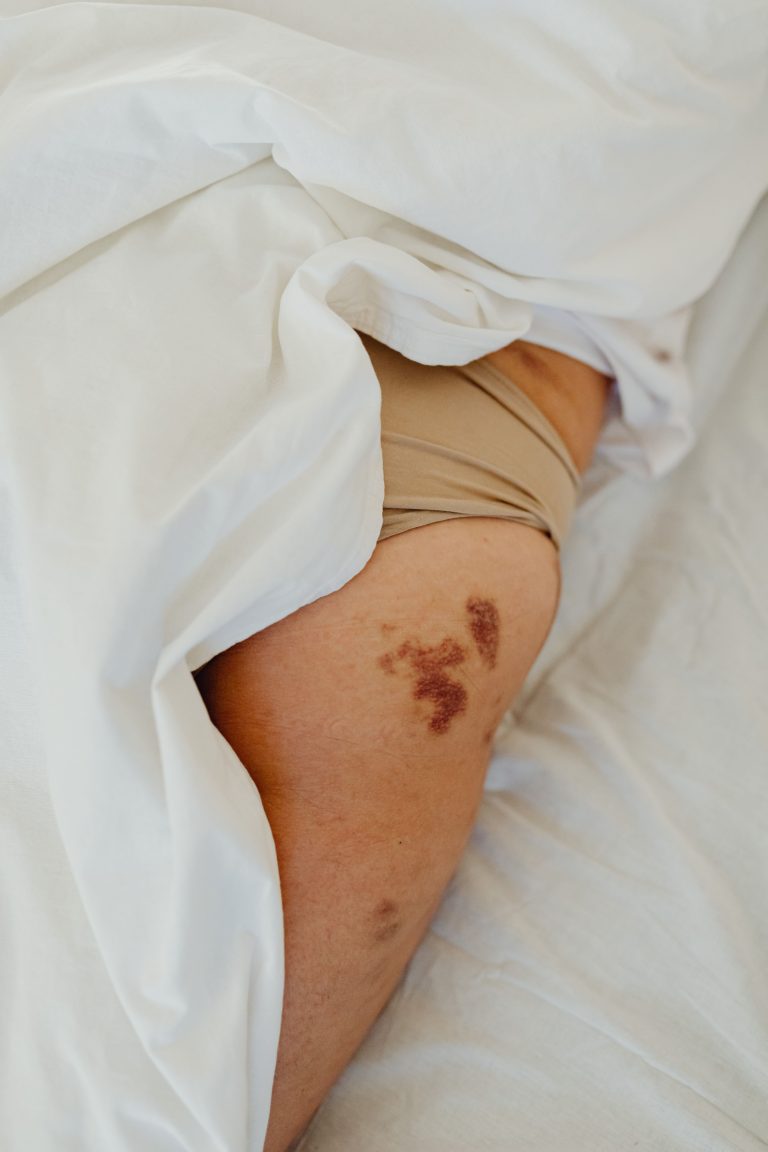
Autonomic dysreflexia is a sudden, uncontrolled rise in blood pressure triggered by something painful or irritating below the level of a spinal cord injury. It happens in injuries at T6 and above; it can escalate within minutes, and untreated, it causes strokes, seizures, and death. It is also entirely reversible once you find and remove the trigger.
It all comes down to recognizing it quickly and knowing what to do first. Both of those are learnable in about ten minutes. That is why this is worth reading before you need it, not during.
What Is Actually Happening
Below the level of injury, your body registers something painful: a full bladder, a blocked catheter, an ingrown toenail, a pressure sore. You may not feel any of it, which is precisely the problem.
That signal travels up the spinal cord and triggers a sympathetic response that constricts blood vessels and raises blood pressure. In an intact nervous system, the brain detects the rise and sends a signal back down to calm it. With an injury at T6 or above, that message cannot get past the damage, so nothing switches the response off.
Meanwhile, the parts of you above the injury receive the message and overcompensate. That is where the flushing, the sweating, and the slowed heart rate come from. Below the injury,y the blood vessels stay clamped down and the pressure keeps climbing.
The T6 threshold matters because that is roughly where the major splanchnic outflow sits, meaning the blood vessels serving the abdominal organs. Injuries at or above that level involve enough of the vascular system to produce a dangerous systemic rise. Below T6 it happens far less often and tends to be milder when it does.
The Number That Gets People Hurt
This is the single most important thing on this page. It is also the reason emergency departments sometimes miss it entirely. Worth reading twice.
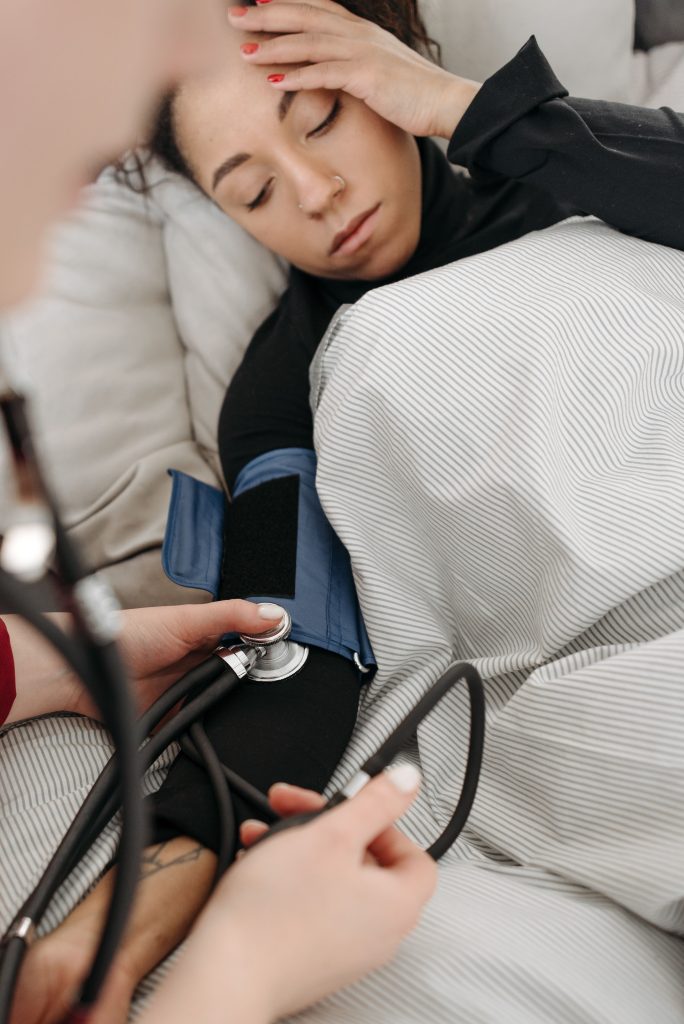
Autonomic dysreflexia is diagnosed by a rise above your own baseline rather than by any absolute number. The threshold is a systolic increase of 20 to 40 mmHg, or a diastolic increase of 15 to 20 mmHg, measured against your normal. Nobody can assess that without knowing where you started.
Resting blood pressure after a spinal cord injury is typically lower than in the general population, often sitting somewhere around 90 to 110 systolic. Which means a reading of 140 over 90 looks entirely unremarkable on a chart. In somebody whose normal is 95 over 60, that same reading is a genuine hypertensive crisis.
Know your baseline well enough to say it without checking. In an emergency department mid-episode, lead with your normal: 95 over 60, and the monitor shows 140 over 90. Staff outside a spinal unit are working from a number that looks fine, and the gap is what tells them otherwise.
What It Feels Like
The symptoms split above and below the level of injury, which is a useful way to keep them in mind. The ones above are obvious, and the ones below are easy to miss. Somebody else in the room will often spot the second group before you do.
Above the Injury
A pounding headache is the most common symptom by a distance, and it is usually the first thing anybody notices. Alongside it comes flushing of the face, neck, and shoulders; heavy sweating in the same areas; nasal congestion; and red blotching of the skin. Some people get goosebumps here, too.
Below the Injury
Goosebumps and skin that goes cold and clammy. These are harder to notice for obvious reasons, particularly if nobody is looking for them. It is worth telling whoever is with you that these count, because they are easy to dismiss as unrelated.
Elsewhere
A slowed heart rate, often below 60, which is counterintuitive while blood pressure is climbing. Blurred vision or spots in the visual field, nausea, and a general sense of being unwell. There is also frequently a strong feeling of anxiety or apprehension arriving without any obvious cause.
That last one is worth taking seriously, not dismissing. Several people describe a sense of dread before they work out what is happening to them. It can be a reliable early warning if you learn to recognize it.
Silent Dysreflexia
Some people have dangerously elevated blood pressure with minimal symptoms or none at all. It is documented, it has a name, and it is the reason anyone at risk should own a blood pressure cuff. Relying on how you feel is not safe.
If you have had episodes before, or your injury level puts you at risk, checking during high-risk situations is reasonable. Bowel care, catheter changes, and urological procedures are the obvious moments to measure. It takes a minute,e and it removes the guesswork.
Feeling fine is not evidence that your blood pressure is fine. That is an uncomfortable thing to sit with and a genuinely useful thing to know. It is also the single strongest argument for owning a cuff rather than borrowing one.
What to Do, in Order
The sequence matters, and the first step is counterintuitive. Work through these in order rather than jumping ahead. Most episodes resolve somewhere in the first three steps.
1. Sit Up
Sit upright immediately rather than reclined. Every instinct says to lie down somebody who is unwell, and lying down makes this worse. Sitting lets gravity pull blood down into the lower body, which lowers pressure while you look for the cause.
2. Loosen Everything
Tight clothing, waistbands, leg bag straps, abdominal binders, compression garments, and shoes. Take off or loosen anything constrictive right away. Any one of these can trigger it, and all of them make the episode harder to resolve.
3. Check the Bladder
The bladder causes most episodes, so always start there. If there is no indwelling catheter, catheterize. If there is one, check the entire length of the tubing for kinks, folds, twists, and obstructions, and confirm the bag is below bladder level and actually draining.
If the catheter appears blocked, gently irrigate with a small amount of warm saline. Do not press on the bladder or tap it to try to empty it. That increases the stimulus rather than relieving it and can make the episode considerably worse.
4. Check the Bowel
If the catheter is draining properly and the blood pressure is still up, fecal impaction is the second most common cause. This step needs care, because manual checking is itself a stimulus that can worsen an episode already underway. Anesthetic lubricant is standard practice for exactly that reason.
The relationship between bowel care and dysreflexia runs in both directions, since the program can trigger it and a missed program can too. That is covered further in the piece on neurogenic bowel and how a bowel program works. Worth reading alongside this if you manage one.
5. Keep Measuring
Check blood pressure every five minutes while working through this, so you know whether you are getting anywhere. A falling number means you found it. A number that keeps climbing means you have not, and it is time to escalate.
6. Go to Hospital
If you cannot find the cause, or the blood pressure stays elevated despite removing whatever you did find, this becomes an emergency department problem. Say the words autonomic dysreflexia at the door and give them your baseline immediately. Do not let a reading that looks normal on paper end the conversation.
What Sets It Off
Around 85 percent of episodes come from the bladder or the bowel. That is why those two get checked first every single time, before anything else is considered. The rest are worth knowing because they can be confusing.
Bladder. A full bladder, a blocked or kinked catheter, a urinary tract infection, bladder or kidney stones, and urological procedures including catheter insertion itself. Anyone using a catheter long term should treat a sudden headache as a drainage problem until something rules it out. That habit alone prevents a great many episodes from escalating.
Bowel. Impaction, constipation, hemorrhoids, and the bowel program itself. Manual evacuation and enemas are both recognized triggers, which is an awkward fact given they are also the treatment for the impaction that causes it.
Skin. Pressure sores, ingrown toenails, burns including sunburn, insect bites, and anything trapped underneath you. Preventing bed sores is dysreflexia prevention as much as it is skin care. The daily check earns its place twice over.
Everything else. Tight clothing, fractures, sexual activity, menstruation, labor, and medical procedures of almost any kind. The general rule is that anything which would hurt somebody without a spinal cord injury can trigger this in somebody with one. You may not feel it at first.
Preventing It
Most prevention is the routine you already have, done consistently. Empty the bladder on schedule, and don’t let it get full. Keep the bowel program regular, because a skipped day becomes impaction,n and impaction is one of the two biggest triggers there is.
Daily skin checks matter here for two reasons, not one. Treating urinary tract infections promptly matters for the same doubled reason. And keeping clothing and equipment from digging in anywhere removes a whole category of trigger for very little effort.
If you are having frequent episodes despite all of that, something structural needs looking at. Recurrent dysreflexia is a signal, not a fact of life to be managed. It usually points to a bladder or bowel management problem that can be changed once somebody looks properly.
Tell the People Around You
The person having an episode may not be able to explain any of this. That makes teaching it in advance the most valuable thing on this page. It takes one conversation, and it only has to happen once.
Anyone who spends time with you should know the first two steps: sit them up and loosen everything. They should know that lying somebody down is the wrong instinct here. And they should know where the blood pressure cuff is, what your baseline is, and that a bad headache in somebody with a high-level injury gets treated as dysreflexia until something rules it out.
Carry a card as well. Your injury level, your baseline blood pressure, the fact that you are at risk of autonomic dysreflexia, and the first steps written out plainly. Emergency staff outside spinal units see this rarely, and a card in a wallet has done more good in that situation than any amount of explaining from somebody with a pounding headache.
Recognized Early, It Resolves
The outcomes here are genuinely good when it gets caught quickly. Find the trigger, remove it, and the blood pressure comes down. The danger lives almost entirely in the delay, whether that is not recognizing it, lying down instead of sitting up, or a clinician looking at a number that seems fine.
Which makes this one of the few emergencies where reading about it in advance materially changes what happens. Know your baseline, own a cuff, teach two other people what to do, and carry the card. None of that takes long, and it all works.
This is general information rather than medical advice. Autonomic dysreflexia is a medical emergency, and anyone at risk should have a management plan agreed with their own clinician.