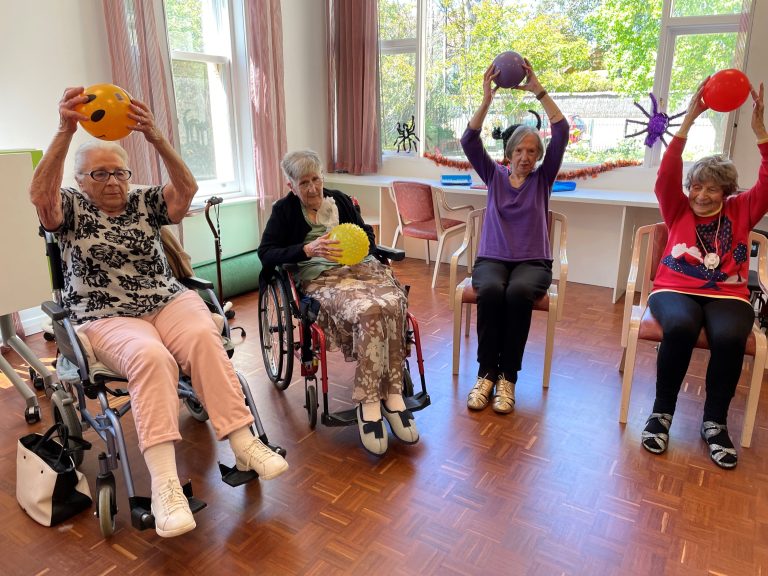
Adjusting to life in a wheelchair changes your relationship with your own body, and that adjustment takes real time. Muscles you never gave much thought to matter a great deal suddenly, and few matter more than the ones in your core. If your mobility has recently changed, wheelchair core strengthening exercises are one of the most practical places to put your energy early on. Your abdominal muscles, obliques, and lower back now handle work your legs used to share, from keeping you upright in your chair to powering every push, reach,h and turn. The encouraging part is that you do not need a gym, special equipment or a fitness background to get started. You just need a starting point that meets you where you are.
What Your Core Actually Does From a Seated Position
When most people hear the word core, they picture crunches and flat stomachs. In reality, your core is a wide band of muscle wrapping around your entire midsection, and researchers at Harvard Medical School point out that it plays a part in nearly every movement your body makes. From a seated position, those muscles hold your trunk steady while your arms take on the work of propelling, reaching, and lifting.
Here is something worth knowing about the body you had before this change: your legs and hips did a lot of quiet balance work in the background. Now your trunk carries more of that job on its own, whether you are leaning over to grab something off the floor or bracing yourself as your chair rolls across uneven pavement. The stronger your midsection gets, the more of those moments you can handle with confidence instead of caution.
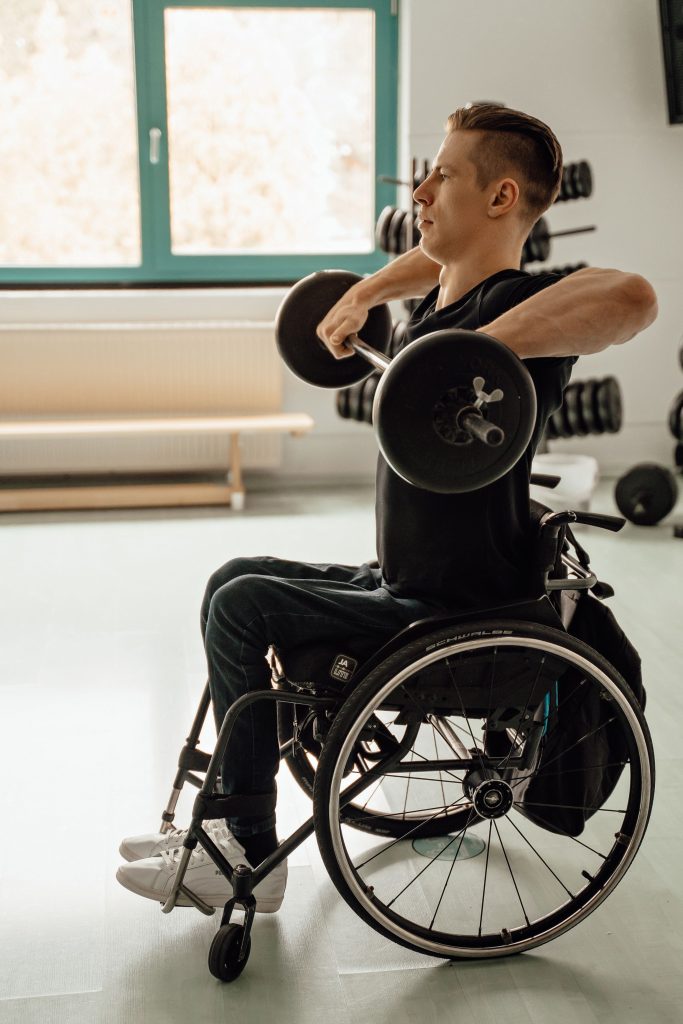
How Stronger Core Muscles Change Daily Life
The payoff shows up in small, everyday moments long before it shows up anywhere else. Transfers between your chair and your bed,cara,r or shower bench get smoother and safer when your trunk can stabilize you through the whole motion. Reaching a high shelf or leaning down for a dropped phone stops feeling like a gamble.
Posture improves too, and that matters more than most people expect. Slumping in your chair for hours strains your shoulders and lower back, and over time it can contribute to skin pressure problems. Core work helps you sit taller, breathe more fully and push your chair with less effort, which usually means less exhaustion at the end of the day.
Where to Start: Simple Moves You Can Do Today
Let’s not kid ourselves: when you’re trying to do anything new with a wheelchair dependent body, you know you have to check in with your doctor, physical therapist, or literally, anyone on your care team. Your specific condition, injury level, and health history are going to shape the game plan for what is safe for you. If you do too much and get hurt, it can negatively impact your general mobility, and nobody wants that.
Once you have the green light, start with seated abdominal bracing. Sit as tall as you comfortably can, tighten your stomach muscles as if someone were about to poke you, hold for five to 10 seconds, then release and repeat five to eight times.
Trunk rotations and side reaches build on that foundation. For rotations, cross your arms over your chest, slowly turn your upper body to one side, return to center, then turn to the other. For side reaches, extend one arm overhead and lean gently in the opposite direction, keeping everything slow and deliberate. The Mayo Clinic notes that controlled form matters far more than speed or repetition counts, and that advice applies doubly when you are still learning what your body can do.
These wheelchair core strengthening exercises take only a few minutes from start to finish. Doing them most days of the week will get you further than one long session every once in a while. Consistency, not intensity, is what builds a trunk you can rely on.
Pair Core Work With Heart-Healthy Movement
Core strength is only part of the picture, because your heart and lungs deserve attention too. Once your trunk feels steadier, adding aerobic movement builds the stamina that makes long days away from home feel manageable instead of draining. A good next step is exploring cardio exercises for wheelchair users, which can raise your heart rate without requiring anything beyond your chair and a little open space.
Give Yourself Time and Grace
No one on Earth masters a changed body in a month. So be kind to yourself in this journey. Progress here rarely moves in a straight line, especially after an injury or as a senior with mobility concerns. Some weeks you will feel noticeably stronger, and other weeks you will wonder if anything is happening at all. Both are normal parts of the process, and neither one is a verdict on how you are doing.
Instead of trying to revamp your entire schedule to fit in a new workout routine, pick one exercise from this list and make a goal of trying it before the day ends. Five minutes of bracing and rotations will not transform anything overnight, but stacked up over weeks, those minutes become the strength that carries you through transfers, errands, ds, and everything else your routine asks of you. Start small, stay consistent, and let your body surprise you.