
Have you ever read a post listing the best accessories and instantly known it wasn’t written by someone who would actually USE or NEED the stuff they’re recommending? There’s a version of every wheelchair accessory list that’s written by someone who has never sat in one. You can spot it fast. It recommends things that would fall off in a parking lot, or that assume you’ve got two free hands and a helper.
This isn’t that.
These are the accessories that solve problems I actually have, plus the ones I’ve watched other people swear by. Yes, some of them are boring. But the boring ones end up being what you use every freaking day. If you’re after the other kind of upgrade- the lights, spoke guards, and decals that make a chair feel fun- that’s a separate list. This one is about function.
Staying Warm And Dry
Wheelchair Umbrella
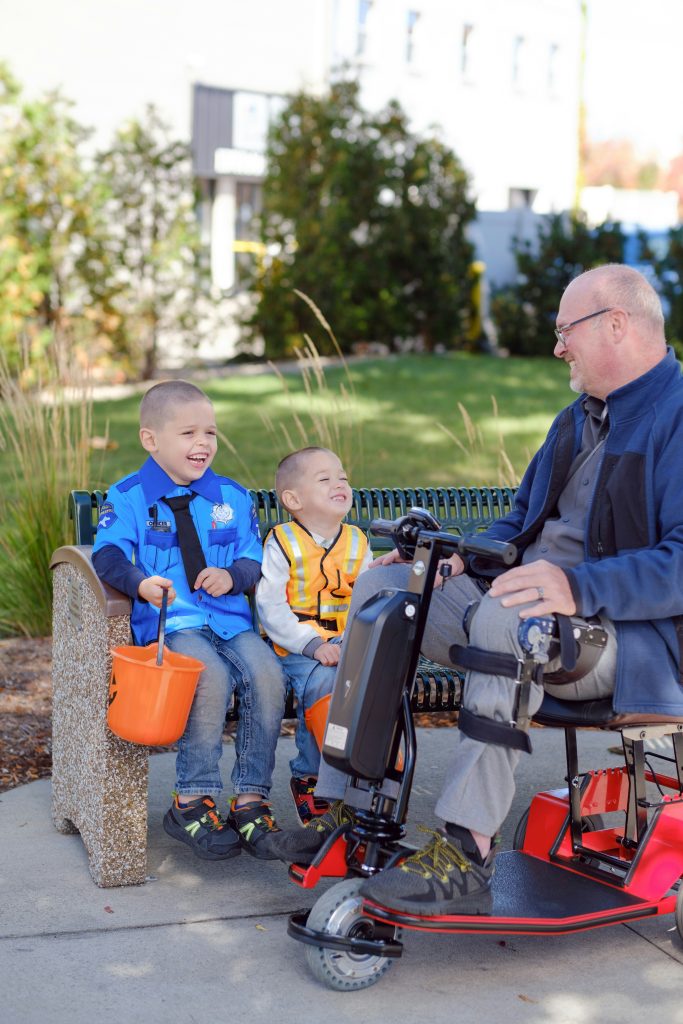
Rain’s a buzzkill for any outing, but it’s a genuine obstacle in a chair. Trying to manage the weather, the chair,r and an umbrella at the same time is basically impossible, so if you don’t want to depend on somebody else to shield you from Mother Nature, a mounted umbrella might be the answer.
It isn’t just rain, either. An umbrella that attaches to your chair earns its keep at outdoor events in July, when the alternative is baking. I could see it being a godsend at sporting events, the boardwalk,lk and amusement parks. This wheelchair umbrella looks like it attaches easily to manual chairs, powerchairs, and most standard metal frames, which is a lot of versatility for one piece of gear.
Worth knowing before you buy: a poncho does the same job in high wind, where an umbrella turns into a sail. Some people carry both.
Wheelchair Blanket
As someone who’s always cold, no matter how many layers I put on, I own a lot of blankets. All of them get caught in my castor wheels and end up ripped or dragging behind me for half the day. But without them, I can’t handle any outdoor activity from fall through spring. That’s why this wheelchair blanket is at the top of my Amazon wishlist.
It zips up, encloses the lower half of your body completely, and zips together to stay warm and stay out of the way of the wheels. With my teen daughter starting her first year as a JV cheerleader in the fall, I’m anticipating a much warmer and happier mom cheering her on from the stands.
Carrying Your Own Stuff
This is the category that changes your day the most, and it’s the one people underestimate. Every trip you can’t make because you couldn’t carry the thing is a trip somebody else has to make for you.
Under Seat Cargo Storage
If you use a manual wheelchair, moving and carrying anything at the same time is a task in itself. That’s what makes under-seat cargo storage such a no-brainer. I can’t believe there aren’t hundreds of options on the market, because it just makes so much sense. This EZ-Access Carry On from SpinLife comes with a one-year warranty and looks easy to attach.
Backpacks and Back-of-Chair Bags
The bag that hangs off your push handles is the workhorse of this whole category, and what you should look for isn’t capacity. It’s whether you can reach it yourself. Plenty of otherwise great bags sit exactly where your shoulder won’t go, which turns your own bag into something you have to ask for.
Side-mounted pouches and armrest organizers solve the reach problem for the things you need constantly, like your phone, keys, and wallet. Save the back bag for the stuff you only need when you get there.
Trays
A tray that clips across your armrests turns your chair into a table, which matters more than it sounds. It means you can eat somewhere that only has high tops, work in a waiting room, or hold a plate at a party without hunting for a surface. Look for one that comes off in one motion, because a tray you have to fight is a tray you’ll leave at home.
The Small Stuff You’ll Use Daily
Cup Holder
When I upgraded my powerchair three years ago, it came with a cup holder that attaches to the end of the armrest, and I was shocked at how often it comes in handy. It was an even bigger surprise that it isn’t standard on every power chair.
Having a safe place for your drink without the risk of spills is worth more than it sounds, especially on long days out or when you’re juggling three things at once. Picture rolling through a park with a coffee and not having to plan around it. Little touches like a self-leveling cup holder make a real difference to daily independence. Self-leveling ones are worth the extra money if your route involves curb cuts.
Phone Mount
A mount on the armrest or frame means you can follow directions, take a call, or check a bus time without stopping and digging. For anyone who navigates unfamiliar routes regularly, it’s one of the cheapest quality-of-life upgrades available.
Gloves
If you self-propel, gloves aren’t an accessory; they’re maintenance. They protect your hands from the pushrims and from whatever your wheels have just rolled through, and they improve grip on wet days and hills. Your shoulders are load-bearing equipment, and they don’t come with a warranty, so anything that reduces the work per push is worth having.
The One That Isn’t Optional
Everything above is a nice to have. Your cushion isn’t.
A seat cushion is the single most important thing between you and your chair, and the wrong one causes pain, bad posture, and skin breakdown. It’s the one item on this page you should not buy off a list, including this one. Get a seating assessment from a physical or occupational therapist who does them, because fit is specific to your body and your chair. If you want the reasoning behind that, it’s covered in this guide to preventing pressure sores without overhauling your day.
What to check before you buy anything
- How does it attach? Clamps, straps and rail systems aren’t interchangeable, and powerchair frames differ enormously from manual ones.
- Measure first. Seat width, armrest length,h and rail diameter. Most returns in this category are fit problems, not quality problems.
- Can you put it on and take it off yourself? If the answer is no, it isn’t an independence upgrade.
- Does it survive weather? Anything that lives on the chair lives outside.
- Does it get in the way of a transfer? Side-mounted gear is the usual culprit here.
- Will it fly? If you travel, removable beats permanent. Anything bolted on becomes the airline’s problem, and flying with a wheelchair is complicated enough already.
The Point Of All Of It
There have been real improvements in this space that go well beyond replacement parts. An umbrella or a blanket is practicality. Storage and a bag you can reach are independence. A cup holder is just convenience. What they’ve got in common is that each one removes a reason to stay home.
Buy the boring ones first. You’ll use them more. Then go make the thing look like yours.
Frequently asked questions
What are the most useful wheelchair accessories to start with?
A bag you can reach yourself, a cup holder, and a phone mount. All three are cheap, all three come off easily, and all three remove a small daily annoyance you’d otherwise stop noticing you were working around.
Will insurance cover wheelchair accessories?
Rarely, unless the item is medically necessary and prescribed; cushions and positioning equipment are the usual exceptions. Most of what’s on this page is out of pocket.
Do accessories fit both manual and power wheelchairs?
Some do; many don’t. Powerchairs often have rail systems under the armrests that manual chairs don’t, and manual chairs have push handles and spoke wheels that powerchairs don’t. Check the mounting method against your actual frame rather than the chair type.
What about the ones that are purely for fun?
Those are worth having too, and there’s a full rundown of wheel lights, custom spoke guards, and decals covering what actually holds up and what to keep clear of the controls.
What should I do with accessories I no longer use?
Plenty of programs take gently used mobility equipment and get it to someone who needs it. There’s a full rundown of where to donate medical equipment and what each type of organization will actually accept.


3 Comments